Branding
Art Direction or Freelance Photographer: How Do You Get Consistent Brand Imagery?


Key takeaways
- A freelance photographer is enough for a single occasion and a matching style, external art direction pays off with several photographers, locations or recurring productions
- Brand imagery needs four rules: subjects, perspective and distance, light and color, taboos
- A Nielsen Norman Group eye-tracking study (2010) found that one test user spent 10 percent more time on employee portraits than on the bios, and stock photos were overlooked
- Documented are a business portrait package for €550 net (Commerzbank, 2022) and an hourly rate of about €129 for art direction in creative agencies (Statista via Inverto, 2015)
- Usage rights under § 31 (5) UrhG (German Copyright Act) should be settled in writing before the shoot
Short answer: A freelance photographer is enough if they already bring the visual style and your company needs only one shoot or a few subjects. External art direction pays off when images have to fit together across years, locations, photographers and channels. It sets the rules up front, briefs the production and reviews the results. The outcome is not one nice photo, but an image style that others can reproduce too.
The key points in brief
- A photographer delivers images. Art direction delivers the rules for how images should look, and checks whether they do.
- For a single shoot with an experienced photographer, art direction is often unnecessary. For recurring shoots with changing people, it quickly becomes valuable.
- Brand imagery needs a short set of rules: subjects, perspective and distance, light and color, and what never appears.
- Real images beat stock when it comes to trust: eye-tracking studies show that people overlook generic stock photos but look at real people.
- Usage rights belong in the contract before the shoot, not after.
Contents
- What art direction does and what a photographer does
- When a photographer is enough
- When external art direction pays off
- Comparison at a glance
- Two typical setups: machinery and consulting
- What brand imagery has to define
- Costs: what sources say and what they don't
- Usage rights
- Briefing checklist for the production
- Step by step to a decision
- Common mistakes
- How we approach it
- FAQ
What art direction does and what a photographer does
The terms often get mixed up, so here is a clean separation.
A photographer executes subjects. They choose camera, light, framing and moment, edit the images and deliver files. Good photographers have a style of their own. That is their strength, but it can become a problem if your company needs several photographers or someone else shoots in two years.
Art direction defines how a company's visual world should look and makes sure productions follow that line. Typical building blocks are a visual stance, moodboards, rules for subjects and light, layout principles, a briefing for the production and a review of the results. The art director is not the one who presses the shutter. They are the one who decides beforehand what gets shown and checks afterward whether the result fits the brand.
Brand imagery is the result of both roles: a recognizable, repeatable style that fits name, logo, colors and tone of voice. Why this is more than taste is covered in our article brand imagery in your company. How imagery is governed within a brand system is explained in brand system, not just a logo.
A middle path is the photographer who helps develop the brand imagery. That works if they bring an understanding of the brand and you work with them long term. It works worse if the rules exist only in their head and nobody has documented them.
When a photographer is enough
A freelance photographer is the right and often better solution when:
- you have a specific occasion, such as new team portraits or a trade fair shoot
- the brand is still visually simple and needs no detailed rulebook
- you have found a photographer whose style already fits your brand
- one or two shoots a year are enough and the same person does them
- your budget cannot carry an additional process
In these cases, the brand imagery comes from choosing the right person and from a good briefing by you. Important: write down what you agreed on. Even if nobody carries the title art director, an image style needs a mini documentation with four points (see below).
Smaller companies with local photographers are also in good hands when closeness and authenticity come first. A local photographer who knows your employees often gets more natural portraits than a team that travels in.
When external art direction pays off
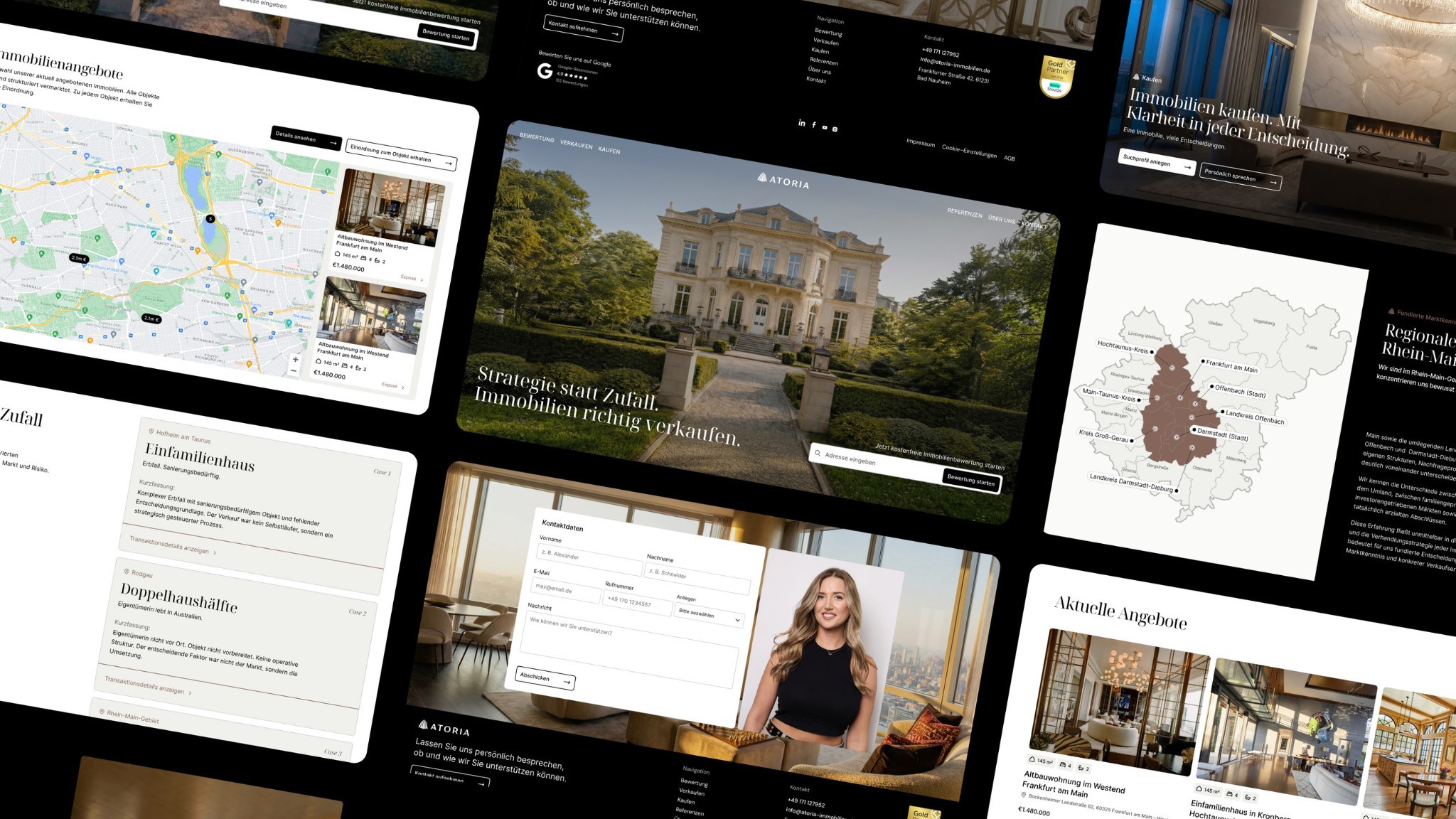
External art direction pays off if at least one of these applies:
- Several photographers or locations. Every photographer brings their own style. Without rules, your images look like they come from five companies after two years.
- Recurring productions. New products, campaigns, social media series. The style must be reproducible even when people change.
- Complex subjects. Technical products, plants, processes, where perspective, scale and explainability matter.
- Brand in transition. After a rebrand, old and new images have to fit together or be replaced on purpose.
- High demands on impact. A brand in the premium or innovation segment lives on details that a photographer alone does not oversee.
- Several media. Website, print, trade fairs, social, recruiting. Different formats and uses need different subjects in the same style.
- In-house marketing team without design leadership. Then art direction replaces the creative lead you do not want to hire full time.
External art direction is also a safeguard against dependence on individuals. Once the guide exists, your head of marketing can brief a new photographer next year without starting from zero.
Comparison at a glance
| Criterion | Freelance photographer with their own style | External art direction plus photographer | In-house creative lead |
|---|---|---|---|
| Outcome | Individual shoots in their style | Rulebook plus shoots that match it | Ongoing steering in-house |
| Reproducibility | Low, tied to the person | High, through guide and briefing | High, as long as the person stays |
| Effort for you | Write the briefing yourself | Briefing together, review by the art director | Management and salary |
| Costs | Shoot day, post-production, rights | Concept phase plus shoot day | Annual salary |
| Suited for | Single project, clear brand | Recurring productions, several locations | Permanently high demand |
| Risk | Style break with the next photographer | Extra coordination, higher entry costs | Dependence on one person |
The middle column beats the first as soon as you have more than one photographer or more than one occasion. For a single occasion, the first column is better because you do not pay for the concept separately.
Two typical setups: machinery and consulting
The question of art direction plays out differently across industries. Two typical setups.
Industry: product photos that look different at every shoot
A machinery manufacturer photographs plants, components and assembly over the years. Sometimes a photographer does it on site, sometimes a customer supplies images, sometimes a smartphone fills the gaps. The result: different lighting moods, perspectives, backgrounds and color temperatures.
Art direction pays off here because the subjects are technical and the rules create comparability. A rulebook for product photos typically defines:
- Perspective and distance (for example always slightly from above, always with a sense of scale)
- Background (factory floor, studio, neutral) and what may stay in the frame
- Light and color temperature, so images from different years fit together
- Detail shots: which components, from what distance
- People in the image: yes or no, in what role
- Prohibitions: staged handshakes, stock look, retouching that falsifies surfaces
With this rulebook, any photographer can produce the same results. More on the sector is on the page industry and engineering.
Consulting and services: team photos instead of stock
At law firms, consultancies and agencies, the people are the product. Team photos are therefore central. The risk is the opposite of industry: there is little to show besides faces and offices, and at the same time a stock look puts people off.
There is no one-size-fits-all answer to what looks more premium on expert websites: team photos from a local photographer or a shoot with art direction. A good local photographer delivers authentic portraits. Art direction helps when portraits, office shots, work situations and details should feel like one piece, especially with growing teams that need new photos every year. See also branding for professional services and the sector page consulting and agencies.
The argument for real photos has substance. The Nielsen Norman Group found in an eye-tracking study that users look closely at portraits of real employees but overlook stock photos of generic people. On a team page, users spent about ten percent more time on the portraits than on the short bios, even though the bios took up much more space. The study is from 2010, and the pattern is still plausible today. If you want to build trust, you need images that prove something.
What brand imagery has to define
Working brand imagery fits on one or two pages when it is done well. It answers four questions:
- Subjects. What do we show? People at work, products in use, rooms, details? What do we deliberately not show?
- Perspective and distance. From what height, how close, with what lens character? Frontal, documentary, from the side?
- Light and color. Daylight or studio light, warm or cool mood, which colors may dominate the image, how images are edited.
- Taboos. What must never appear? Staged group shots, unnatural smiles into the camera, stock look, overloaded post-production.
On top of that come practical specs for the web: formats (for example landscape with room for text), image sizes, alt text, variants for dark mode. An art direction guide adds example images, do's and don'ts and layout examples. What can go into a brand guide is in the glossary under brand guide. The working technique behind it is the moodboard: it shows in three directions how the visual stance could look before anyone takes a photo.
Costs: what sources say and what they don't
Reliable market ranges for art direction and corporate photography at mid-sized companies are hard to find. Most price pages cover portrait and wedding shoots. We mark what is documented and what is not.
Photography, documented examples:
- In a guide (as of 2022), Commerzbank lists a studio package with six business portraits, up to four outfits and a duration of three hours for €550 net, including retouching and web usage rights. According to the same source, a team shoot costs a four-figure amount, stylists about €100 per person, retouching about €30 per image. The figures are older and vary by region, but work as an order of magnitude.
Art direction:
- There is no fixed market range for externally booked art direction at mid-sized companies. An older analysis puts the average for art direction in creative agencies at about €129 per hour (Statista via Inverto, 2015). The figure is more than ten years old and should be read only as rough guidance.
- In-house, an art director costs a median of €57,071 gross per year according to Gehalt.de. Employer contributions come on top. That is the benchmark for in-house.
How to calculate your decision: Do not just calculate the single shoot. Calculate the sum of concept, production and the follow-up costs when images do not fit together: reshoots, retouching effort, loss of recognition. If you already plan two or three shoots a year, a rulebook often saves more than it costs. For a single shoot, that is rarely the case.
Usage rights
Good images are of little use if you cannot use them permanently. Copyright initially lies with the photographer. Under § 72 UrhG (German Copyright Act), even simple photographs are protected, and the term of protection is 50 years after publication. Which uses you receive depends on the contract. If nothing specific is agreed, the shared purpose of the contract decides under § 31 (5) UrhG. That means: what was agreed for a website does not automatically cover print, trade fairs or social ads.
So put the following in writing before the shoot:
- Scope: all media (web, print, social, trade fairs, ads) or only specific ones
- Duration: unlimited or limited
- Territory: worldwide or restricted
- Editing: cropping, color adjustment, retouching, combination with text
- Sharing: with agencies, service providers, group companies
- Personality rights: consent of the employees pictured, also for the time after they leave
- Raw files: who receives them, who archives them
More on rights for photo and video is in the guide usage rights for photo and video in companies. This does not replace legal advice.
Briefing checklist for the production
A good briefing is the lever that turns an average shoot into a good one, with or without art direction. The checklist:
- Goal of the images. What are they used for, where do they appear first?
- Target group and impact. Who should see the images, what should they feel or understand?
- Brand link. Two or three terms from the brand positioning that should show up in the image.
- Image style rules. The four points from the section above, with at least five reference images.
- Shot list. Which subjects, in what order, with which variants (landscape, portrait, with text area).
- Locations and schedule. When is access available where, who accompanies, which breaks are planned?
- People. Who is in the image, what clothing, who handles consents?
- Technology and delivery. File formats, resolution, color profile, naming, delivery deadline.
- Rights. Scope as above, confirmed in writing.
- Review. Who checks the selection, by which criteria, how many rounds of corrections are included?
With art direction, the art director takes over points 3 to 5 and 10, and you provide 1, 2 and 6. Without art direction, you have to cover all ten yourself.
Step by step to a decision
- Count your needs. How many shoots and subjects do you need in the next two years, at how many locations?
- Review what you have. Look at all existing images side by side. Do they fit together? If so, a photographer who continues the style is enough.
- Clarify responsibility. Who decides internally on image selection and approval?
- Write the rules down. Write the four points as a mini document. This step alone brings a lot.
- Decide: Is the mini document plus a good photographer enough? Or do you need moodboards, a guide and production support?
- Compare providers. Ask for examples where an image style stayed consistent across several productions. The guide choosing an art direction agency helps with selection.
- Agree on rights and milestones, then produce.
- After the first shoot, check whether the rules work, and refine them.
Common mistakes
- Using stock for people and places. Teams, offices and projects are statements about your company. Stock or AI images are not an honest solution for them. For abstract illustrations, they are fine.
- Choosing the photographer by price alone. The style has to fit your brand. Ask for work samples in the look you want.
- No briefing. If you say "just make nice pictures," you get the photographer's pictures, not yours.
- Too many decision-makers in the selection. One person pre-selects, one gives approval.
- Clarifying rights after the shoot. Your negotiating position is weaker by then.
- Having only highlights delivered. Plan for detail shots, landscape formats with room for text and portrait formats for social.
- Forgetting the guide after the shoot. Without documented rules, the next shoot starts from zero again.

How we approach it
Webwavers offers art direction as a service of its own. The process has five phases: onboarding, visual stance, three moodboard directions, key motifs and rules for all channels, and handover with the guide and a walkthrough. Each phase ends with an approval. If you want photo and video production in one hand, you will find it under content production. If the imagery is part of a new brand identity with a website, branding and website from a single source fits.
FAQ
Is external art direction worth it compared with a freelance photographer who develops the brand imagery along the way?
For a single shoot with a photographer whose style already fits your brand, it rarely is. As soon as several photographers, locations or recurring productions come into play, it is, because it documents the style and makes it checkable. Then you can switch photographers without losing the brand imagery.
Which agencies deliver art direction including a briefing for the production?
Good providers deliver a visual stance, moodboards, image rules, a shot list and a briefing for photographers, plus an optional review of the results. In conversations, ask for an example guide, for the number of included review rounds, and whether the agency accompanies the production itself. The guide choosing an art direction agency offers help with the decision.
What looks more premium on expert websites: team photos from a local photographer or a professional shoot with art direction?
Both can look premium. What matters is that the images are real and fit together. A local photographer often delivers more natural portraits. Art direction pays off when portraits, office and work situations should look like one piece and the team is growing. Eye-tracking studies suggest that real people get more attention than stock.
What does a corporate shoot cost?
Only examples are documented: Commerzbank lists €550 net for six studio business portraits, and team shoots cost four-figure amounts (2022). Depending on the agreement, usage rights, styling and retouching come on top.
Who owns the images after the shoot?
Copyright lies with the photographer. You receive usage rights under the contract. Without a clear arrangement, the purpose of the contract decides (§ 31 (5) UrhG). Have scope, duration, territory and editing put in writing beforehand.
Are stock photos enough for a B2B website?
For abstract illustrations, yes. For team, office, projects and products, no. There it is about proof, not decoration. More in brand imagery in your company.
How many shoots does a mid-sized company need per year?
For many mid-sized companies, one photo day per year covers the basic need: portraits, work situations, details, rooms and some landscape and portrait formats with text area. With many products or locations, you need more. Better to plan one bigger shoot than many small ones.
Conclusion
A freelance photographer is enough when the occasion and brand are clear and the style fits. External art direction pays off as soon as images should fit together across time, people and channels, because then you get a rulebook that any photographer can implement. Write the rules down, settle the rights beforehand and check the results against the style. Then your brand imagery holds up even after the third shoot.
Support with brand imagery and production: On the art direction page you can see how we work. Reach out via contact if you want to go through your case.
Sources
- Nielsen Norman Group: Not All Images Are the Same (eye-tracking study, 2010)
- Commerzbank: Was kostet ein Business-Fotoshooting? (What does a business photo shoot cost?) (2022)
- Gehalt.de: Art Director, Gehalt in Deutschland (Art director, salary in Germany)
- Statista: Durchschnittliche Stundensätze in Kreativagenturen in Deutschland (Average hourly rates in creative agencies in Germany) (2015)
- Gesetze im Internet: § 31 UrhG, Einräumung von Nutzungsrechten (granting of usage rights)
- Gesetze im Internet: § 72 UrhG, Lichtbilder (photographs)
- Webwavers: Bildsprache im Unternehmen (Brand imagery in your company) (2026)
More guides
All guides
PHP2Shell: Is your TYPO3 or WordPress website affected? What you need to do now
Oct 21, 2026
Read more


Branding Agency, Freelancer or In-House: What Pays Off for Mid-Sized Companies?
Oct 31, 2026
Read more


GEO for B2B Industries: How Expert Content Gets Cited in ChatGPT and Perplexity
Oct 31, 2026
Read more


Wix, Squarespace, Jimdo or Webflow: Which Platform Can Carry a Company Website?
Oct 31, 2026
Read more