Trust elements on B2B websites

Key takeaways
- Trust comes from verifiability, not from claims. That is the only difference that counts.
- Seven elements demonstrably work in B2B, four others tend to do harm.
- A face with a name is more effective than any seal.
- The strongest trust element is saying openly what you are not the right fit for.
The rule behind everything
There is one simple distinction that answers almost every decision about trust elements: Can someone verify it?
Not verifiable: Many years of experience. Highest quality. Personal service. Reliable partner. These sentences are on every website. They don't carry any trust because anyone can write them.
Verifiable: On the market since 2011. 250 completed projects. Reply within one working day. Client X, project Y, result Z. All of this can be questioned, and that is exactly why people believe it.
The difference is not language but substance. If you replace Highest quality with Three revision rounds per project stage, contractually guaranteed, you have put the same statement into a verifiable form.
This one change has a stronger effect than any additional seal.
The only question that counts
There is one simple distinction that answers almost every decision about trust elements: Can someone verify it?
Not verifiable: Many years of experience. Highest quality. Personal service. Reliable partner. These sentences are on every website. They don't carry any trust because anyone can write them.
Verifiable: On the market since 2011. 250 completed projects. Reply within one working day. Client X, project Y, result Z. All of this can be questioned, and that is exactly why people believe it.
The difference is not language but substance. If you replace Highest quality with Three revision rounds per project stage, contractually guaranteed, you have put the same statement into a verifiable form.
This one change has a stronger effect than any additional seal.
The seven that work
1. Case studies with names. Client name, industry, task, result. Two detailed cases beat twenty logos.
2. Testimonials with a face. Name, position, company, photo. An anonymous quote is worthless because it could be made up.
3. Company figures. Founding year, employees, projects, clients. Concrete and current.
4. People. Team or founder with real photos. In B2B, one of the most visited pages, because people want to know who they will be dealing with.
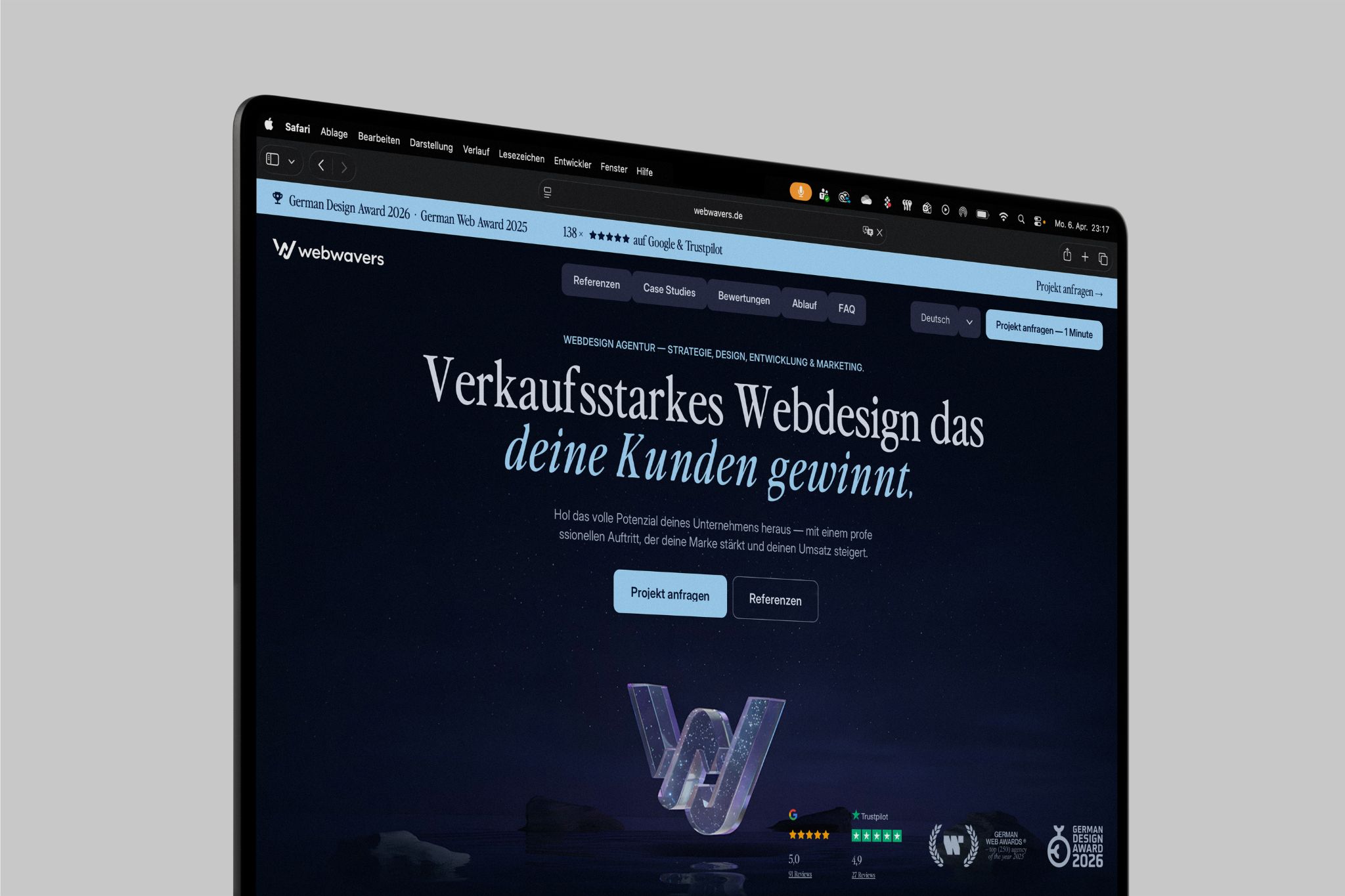
5. Reviews from platforms. Google, industry portals. What matters is the number, not the average: five reviews at 5.0 look weaker than ninety at 4.8.
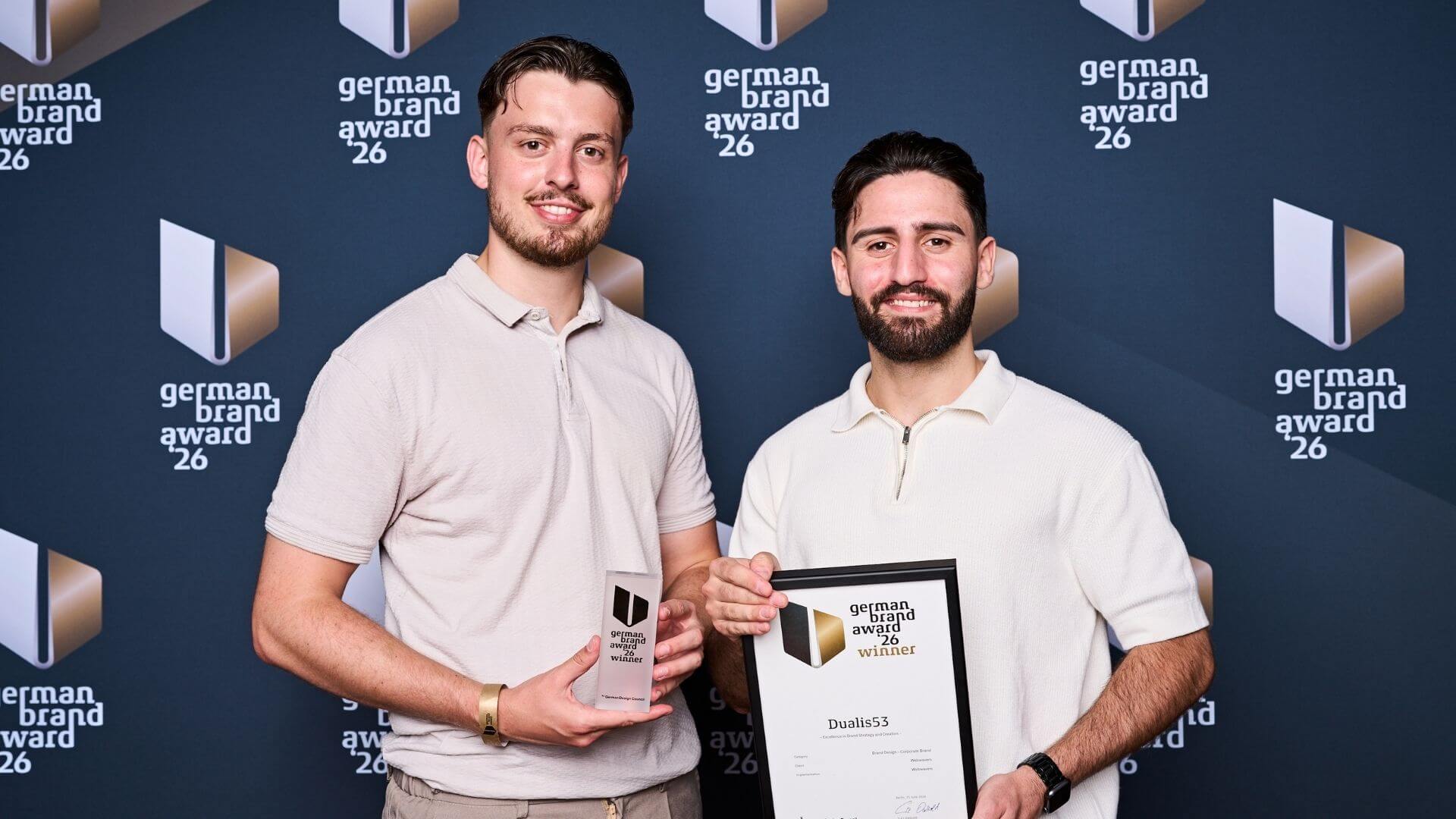
6. Awards and partnerships. Only real ones, with the year and the awarding body.
7. How the collaboration works. What happens after the inquiry, in which steps, with which dates. Removes the biggest uncertainty before the first contact.
The four that tend to do harm
Stock photos of people. The smiling team that is clearly not yours sends exactly the opposite of authenticity. If you don't have your own photos, it is better to leave people out and show your work.
Made-up or anonymous testimonials. Very satisfied, M.K. from B. looks made up, even if it isn't. Without a name and company, better leave it out.
Seals without substance. Purchased quality badges, memberships anyone can get, self-designed test winner graphics. Knowledgeable visitors recognize this, and the conclusion they draw affects everything else on the page.
Exaggerated numbers. Over 1,000 satisfied customers at a five-person business. If one number seems implausible, it drags all the others down with it.
The rule behind it: an element that turns out to be fake devalues the real ones next to it. When in doubt, leave it out.
What builds trust the most
There is one element hardly anyone uses that has a stronger effect than all seven above: saying openly what you are not the right fit for.
We don't take on projects under 8,000 euros. For pure online stores, we are not the right choice. If you need to be live in four weeks, you should ask someone else.
That feels wrong because it excludes customers. It works for two reasons.
It is verifiably inconvenient. Someone who says something that goes against their own interest is believed, in everything else too.
It shows a stance. A provider with clear limits seems more competent than one who does everything.
The practical side effect: it filters out exactly the inquiries that wouldn't have worked out anyway, just before the conversation instead of after.
Where the elements belong
Trust isn't built on one page, but spread across the entire journey.
Homepage: numbers, logos or awards in the top third. Proof before anyone scrolls further.
Service page: a case study that fits exactly this service. Not the best case study, but the matching one.
About us: people, history, background. This is where it can be detailed.
Case studies: two to three cases in full depth instead of twenty short profiles. Starting point, task, approach, result.
Contact page: a face with a name, a commitment on response time, a sentence about what happens after submitting.
Form: the privacy notice in plain language. Your data will only be used to process your inquiry removes more concerns than a reference to a legal section.
The most common mistake is putting everything on the About us page. Trust is needed where a decision is about to be made.
How to review what you have
A quick run-through shows where things get stuck.
Step 1: Collect every statement on your website that contains a claim about you. Usually there are between ten and thirty.
Step 2: Mark every one that can't be verified. Experience, quality, competence, passion, partnership on equal terms.
Step 3: Replace or delete them. Replacing means: the same statement with a number, a time frame, an example or a commitment.
Step 4: Check the evidence for freshness. A case study from 2019, a team photo with people who are no longer there, an award without a year: each of these does more harm than good.
Step 5: Ask someone outside the company what seems credible to them and what doesn't. The answer almost always surprises.
This run-through takes half a day and has a stronger effect than most design changes.


More articles